

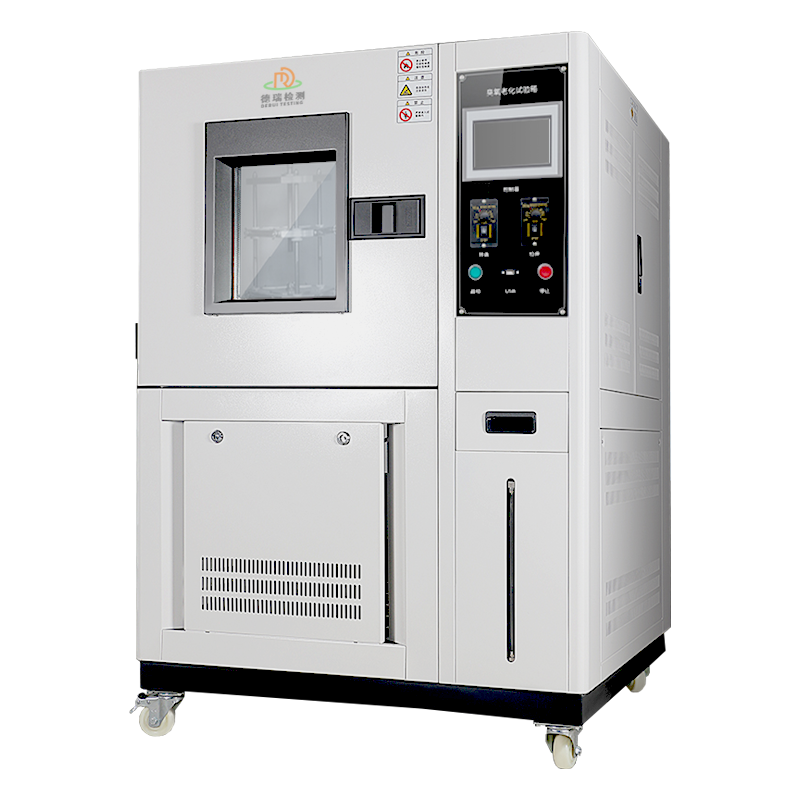
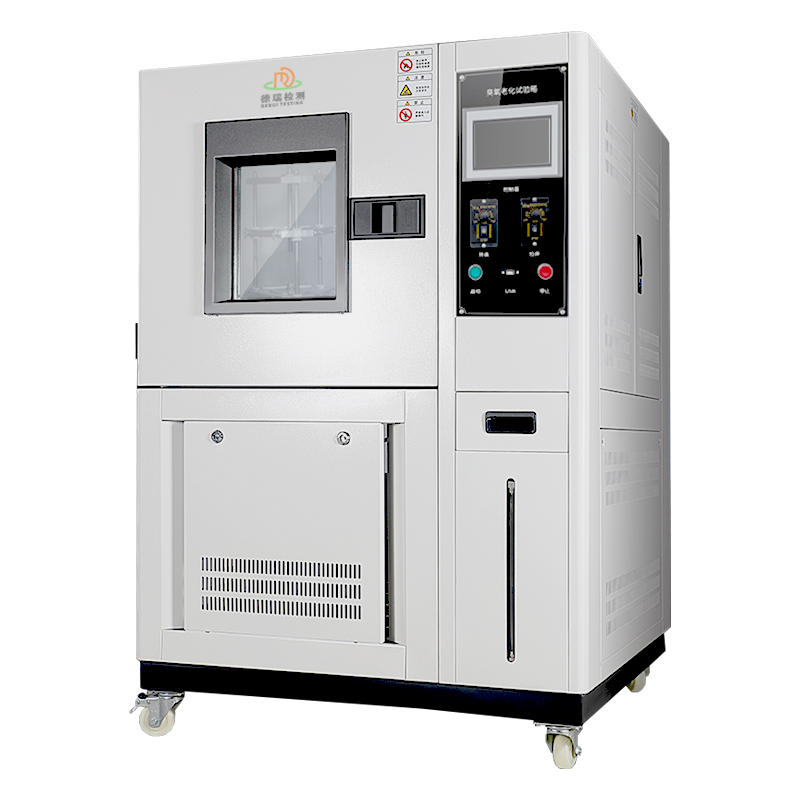
Dynamic cycle ozone testing equipment
338005.0 INR/Unit
Product Details:
- Features Timer, automatic specimen cycling, safety interlock, auto-alarm
- Max Height 1100 mm
- Response Time 3 seconds
- Mounting Type Floor standing
- Interface Type RS232/USB available
- Resolution 0.1 ppm
- Specimen Size Standard: 150 x 10 x 2 mm (customizable)
- Click to view more
X
Dynamic cycle ozone testing equipment Price And Quantity
- 338005.0 INR/Unit
- 1 Unit
- Intermittent/continuous selectable
- 0~9999 min programmable
- 65 dB(A)
- Stainless steel, corrosion resistant
- UV Photometric or Silent Discharge
- 0~40C, <80% RH, non-condensing
- Over-temperature protection, auto-shutdown, leakage alarm
- Oil-free air compressor and filter included
Dynamic cycle ozone testing equipment Product Specifications
- LCD digital display
- 50 Hz
- Suitable for various elastomer hardness
- 1/4 inch
- 60 mm
- Rubber, polymer, and elastomer ozone-resistance testing
- AC 220V 10%, 50Hz
- Up to 6
- 20~30 cycles/min
- 0.2~0.7 MPa
- Room temperature to 60C
- 2% F.S.
- Approx. 85 kg
- Dynamic Cycle Ozone Testing Equipment
- 220V AC
- 0~2000 ppm ozone concentration
- 40~90% RH (adjustable)
- 6 specimens per cycle
- 1100 mm
- Timer, automatic specimen cycling, safety interlock, auto-alarm
- Standard: 150 x 10 x 2 mm (customizable)
- Laboratory testing, quality control
- Semi-automatic
- 0~2000 ppm (O3)
- Microprocessor-based digital control
- 0.1 ppm
- RS232/USB available
- Floor standing
- 70 mm
- 3 seconds
- Intermittent/continuous selectable
- 0~9999 min programmable
- 65 dB(A)
- Stainless steel, corrosion resistant
- UV Photometric or Silent Discharge
- 0~40C, <80% RH, non-condensing
- Over-temperature protection, auto-shutdown, leakage alarm
- Oil-free air compressor and filter included
Dynamic cycle ozone testing equipment Trade Information
- Cash in Advance (CID)
- 100 Unit Per Month
- 7 Days
- All India
Product Description
Standard Features
| Item | Specification |
| Internal dimension | 450W*450D*500Hmm (100L) |
| Temperature range | RT+10~ 60 (suggest to use 402) |
| Temperature Fluctuation | 1 |
| Ozone concentration | 50~1000 pphm, adjustable (suggest to use 50pphm) |
| Ozone concentration deviation | 10% |
| Sample holder rotation | 360 degree rotation |
| Sample holder | 2pcs removable sample tray, SUS#304 stainless steel |
| Temperature controller | Programmable touch screen controller |
| Ozone concentration analysis | Concentration analysis meter |
| Ozone generator | High pressure silence discharge type |
| Protection system | Leakage, short circuit, over temperature, over heat |
Equipment highlights and technological breakthroughs
Multi-dimensional environment simulation
- Dynamic cyclic control: Support cyclic fluctuation of ozone concentration (20-500 ppm), temperature (-40C-80C), humidity (20-95% RH), simulate the temperature difference between day and night, seasonal changes and other real environments.
- Mechanical stress synergistic test: integrated shaking table or tensile device, realizing the compound aging experiment of ozone + dynamic load.
Intelligent test process
- Preset 100+ standard programs: covering international standards such as ASTM G154 UV aging and ISO 11343 ozone aging.
- AI Adaptive Algorithm: Automatically adjust the cycle parameters according to the material deformation data to shorten the test cycle.
Data visualization and traceability
- Real-time 3D curve display: Synchronized display of ozone concentration, temperature, time-sequence change of stress and material performance curve.
- Blockchain deposit function: encrypted storage of experimental data, supporting audit trail and compliance verification.
Comparison table of key parameters (vs static tensile tester)
Parameter items
Dynamic cycling equipment
Static Tensile Equipment
Core Control Dimension
Ozone + temperature and humidity + mechanical stress triple action
Ozone + static stretching only
Cycling mode
Sine wave/step wave/random fluctuation and other modes
Fixed parameter cycling
Data sampling rate
1Hz (high speed acquisition)
0.1Hz (regular acquisition)
Expandability
Supports gas composition analysis (CO/VOCs) module
Basic ozone detection only
Typical application scenarios
Automotive industry
- Simulate the alternating aging of automotive interior parts in hot and humid areas + high ozone environments (e.g., rubber seals, fabric seats).
New energy field
- Test the insulation degradation of lithium battery separators under dynamic temperature and humidity + ozone exposure.
Environmental Reliability Studies
- Evaluate the resistance of construction materials (e.g., PE films, coatings) to ozone cracking during extreme climate cycling.
Selection Decision Tree
plaintext
Do you need multi-factor coupled testing?
Yes Select a model that supports triple coupling of temperature and humidity + ozone + mechanical stress.
No Basic dynamic ozone cycle equipment is sufficient
What is the budget range?
500,000 RMB Domestic cost-effective solutions (e.g., Circulator TK-DCT series)
> 1 million yuan Imported fully automated system (e.g., Q-LAB QUV/DFS)
Is long-term stability verification required?
Yes Prioritize electrochemical sensor + dual redundant control system
No UV photometric sensor can meet the demand
Advanced Ozone Testing Technology
Our equipment employs UV photometric or silent discharge methods for stable and consistent ozone generation, ensuring test precision. A microprocessor-based digital controller automates specimen cycling and parameter settings, promoting both accuracy and ease of use. The stainless steel construction resists corrosion and provides a long service life, while integrated safety systems protect both users and specimens.
Customizable and User-Friendly Operation
With programmable timers, selectable cycle modes (intermittent or continuous), and adaptable humidity and temperature controls, this device is highly flexible. Whether you need to test varying specimen sizes, adjust the ozone concentration up to 2000 ppm, or monitor real-time data via LCD, the system provides a seamless experience for laboratory and quality control environments.
FAQs of Dynamic cycle ozone testing equipment:
Q: How does the Dynamic Cycle Ozone Testing Equipment generate ozone for testing?
A: The equipment uses either UV photometric or silent discharge methods to generate ozone, allowing selection based on test requirements. These methods ensure reliable and consistent ozone concentrations, essential for accurate material performance evaluations.Q: What types of materials and specimens can be tested with this machine?
A: The system is specially designed for rubber, polymer, and elastomer ozone-resistance testing. It accommodates standard specimens measuring 150 x 10 x 2 mm, with customizable dimensions available, and can process up to six samples per cycle.Q: When is it appropriate to use intermittent versus continuous cycle modes?
A: Intermittent cycling helps simulate real-life cyclic ozone exposure and reduces specimen fatigue, making it suitable for accelerated aging tests. Continuous mode is chosen for sustained ozone resistance evaluation or where consistent environmental exposure is required.Q: Where can this equipment be installed, and what are the operating requirements?
A: The machine is floor-standing and designed primarily for laboratories or quality control facilities. It operates at 220V AC, works best in environments between 040C with less than 80% relative humidity (non-condensing), and requires a standard AC power supply.Q: What is the process for setting up and beginning a test cycle?
A: Setup involves inserting up to six specimens into the chamber, selecting desired test parameters (ozone level, humidity, temperature, cycle mode, and timing) using the digital controller, and initiating the test. The equipment automatically manages ozone supply, timing, cycling, and safety monitoring throughout the process.Q: How does the equipment ensure safety during ozone testing?
A: Safety features include over-temperature protection, automatic shutdown, and leakage alarms which activate if unsafe conditions occur. The chamber material is corrosion-resistant, while an oil-free air compressor and filter support safe air supply, ensuring both user and sample protection.Q: What are the primary benefits of using this ozone testing equipment for quality control?
A: The major benefits include highly accurate ozone exposure simulation, programmable automation for repeatability, flexible test parameters, rapid test cycling, and robust safety features. This leads to reliable, reproducible data, supporting faster product development and quality assurance.Tell us about your requirement

Price:
Quantity
Select Unit
- 50
- 100
- 200
- 250
- 500
- 1000+
Additional detail
Mobile number
Email

Other Products in 'Furniture Test Equipment' category

Contact Details

- 1st Floor, No. 3, Shugang Avenue, Hongmei Town,Dongguan Guangdong, China
- Mr. Shirley (Manager)
- Mobile : +8615580327593
- Send Inquiry
-

Derui Testing Equipment Co., Ltd
 Send Inquiry
Derui Testing Equipment Co. Ltd
All Rights Reserved.(Terms of Use)
Developed and Managed by Infocom Network Private Limited.
Developed and Managed by Infocom Network Private Limited.
 English
 Spanish
 French
 German
 Italian
 Chinese (Simplified)
 Japanese
 Korean
 Arabic
 Portuguese