

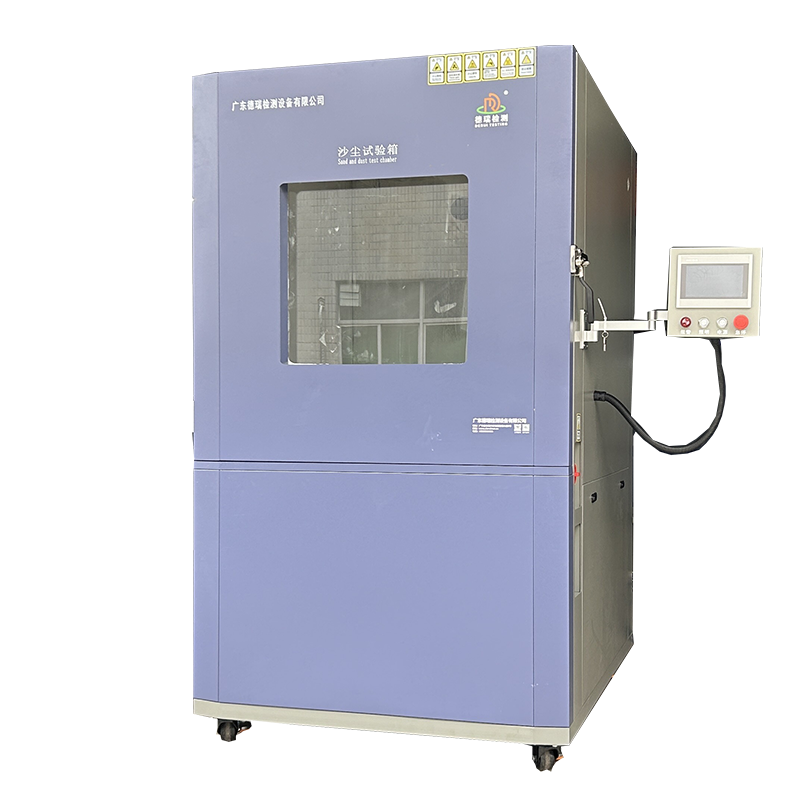
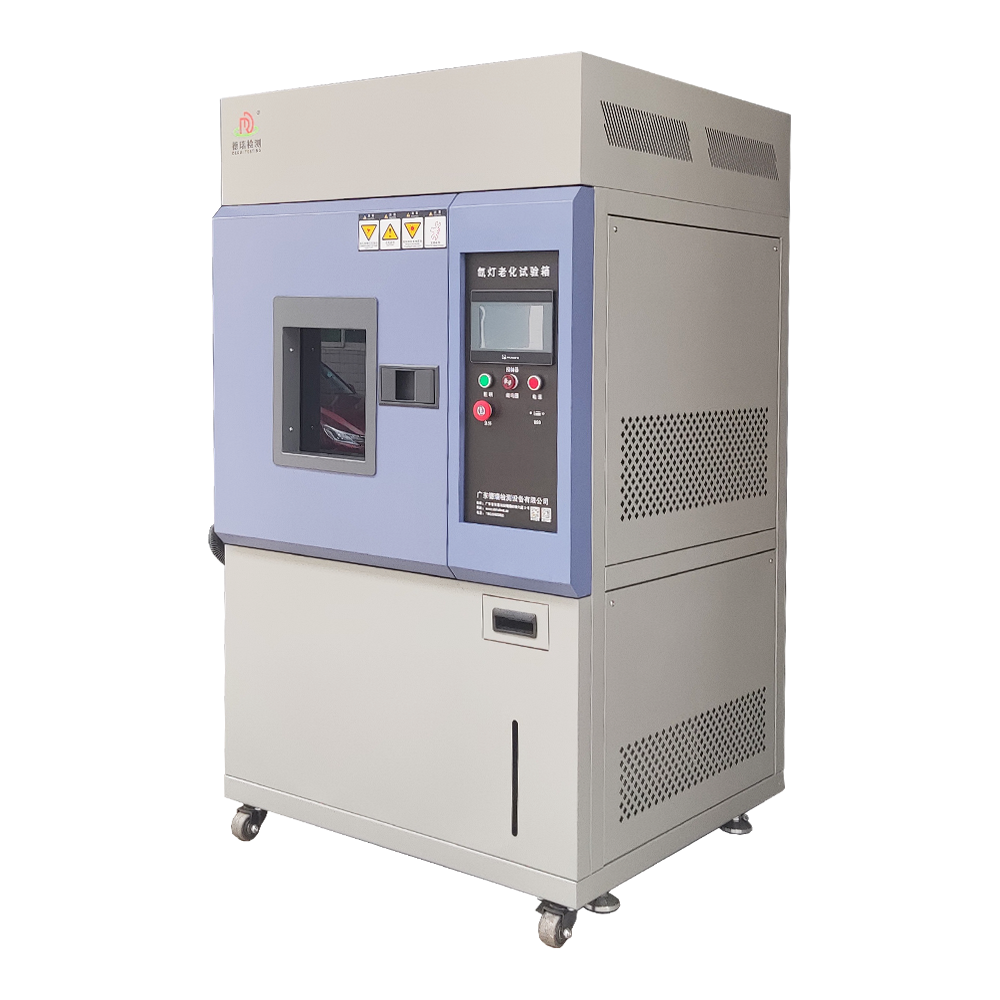
Outdoor dustproof test box for communication base station
288005.0 INR/Unit
Product Details:
- Test Range Dustproof and waterproof (IP5X/IP6X)
- Interface Type RS232/RS485
- Operating Voltage 220V
- Measuring Range 0~1000 g/m (particulate concentration)
- Automation Grade Automatic
- Display Type Digital/Touchscreen
- Humidity 20%~98% RH adjustable
- Click to view more
X
Outdoor dustproof test box for communication base station Price And Quantity
- 1 Unit
- 288005.0 INR/Unit
- LED Lamp
- Cyclone dust collector, washable filter
- Talcum powder ISO 12103-1
- 0~99 hours
- 304 Stainless Steel, corrosion resistant
- Over-temperature, leakage, door interlock
- 5-layer tempered glass with wiper
- Optical Dust Sensor
- < 65 dB(A)
Outdoor dustproof test box for communication base station Product Specifications
- 1000 mm
- 1-4 pcs per test
- 3 s
- Room temperature~60C adjustable
- Floor Stand
- 65 kg
- 1%
- 400 mm
- 50 Hz
- Programmable timer, observation window, alarm system, auto dust recycling
- 0-200 mm/min adjustable
- IP Code Test for outdoor Telecom/BTS Cabinets
- 120 L
- Customizable, max 600x400x400 mm
- 0.2-0.8 MPa
- AC 220V, 50Hz
- Communication Base Station Environment Simulation
- 400 mm
- 20%~98% RH adjustable
- Automatic
- Digital/Touchscreen
- Outdoor Dustproof Test Box
- 0.1 g/m
- PLC/Touch Screen Control
- DN50
- 220V
- RS232/RS485
- Dustproof and waterproof (IP5X/IP6X)
- 0~1000 g/m (particulate concentration)
- LED Lamp
- Cyclone dust collector, washable filter
- Talcum powder ISO 12103-1
- 0~99 hours
- 304 Stainless Steel, corrosion resistant
- Over-temperature, leakage, door interlock
- 5-layer tempered glass with wiper
- Optical Dust Sensor
- < 65 dB(A)
Outdoor dustproof test box for communication base station Trade Information
- Cash in Advance (CID)
- 90 Unit Per Month
- 6 Days
- All India
Product Description
Main design components
The design of outdoor dustproof test chamber for communication base station usually includes the following main components:
Sand and dust generation system: simulates the wind and sand conditions of a natural sandstorm. The dust generation system blows the sand particles uniformly to the equipment in the test chamber through a certain pressure and flow rate. This system can adjust the concentration of sand and dust, particle size and wind speed to simulate different intensity of sandstorms.
Temperature and humidity control system: The temperature and humidity control system in the test chamber is used to simulate the effect of temperature changes and moisture on communication equipment. Different temperature and humidity conditions may have an important impact on the performance of the equipment, especially in high humidity environments, the equipment may face short circuit, corrosion and other problems.
Wind speed regulation device: wind speed is an important factor affecting the propagation of sand and dust particles. During the testing process, the wind speed regulator is able to simulate the dispersion of sand and dust under different strengths of wind speeds. Generally, the wind speed is adjusted to the level of dust storm conditions.
Vibration simulation system: In a strong wind and sand environment, base station equipment is often affected by vibration. The vibration simulation system simulates the vibration effect in wind and sand weather through mechanical devices, so as to test whether the equipment can withstand the physical impact brought by the environment.
Monitoring and Data Acquisition System: This system is used to monitor the working status of communication base station equipment in real time, including the operation of the equipment, fault monitoring, sand concentration, wind speed, temperature and other data, to facilitate the analysis of the performance of the equipment in harsh environments.
Test area: The test area is the core area of the test chamber, which is used to place the tested communication base station equipment. The area is usually designed with proper ventilation and sealing to ensure the stability of the test conditions.
Dust Test Chamber Parameter
| Item | Specification |
| Internal dimension | 800W*800D*800Hmm |
| External dimension | 1300W*1000D*1700Hmm |
| Test sample | Size W20cm- L30cm-D15cm, weight 0.5kg |
| Chamber material | SUS304 Stainless steel |
| Specifications of square mesh sieve | Mesh hole 75um, mesh metal wire diameter 50um |
| Talcum powder amount | 2kg/ m |
| Airflow speed | No more than 2m/s |
| Door | Left open door with tempered glass door |
| Controller | PLC Touch Screen controller, programmable to set as below cycle: a. Blowing dust time (Stop/Blow) m/s b. Cycle time: can be adjusted c. Pre-set test time: 0s ~99m99s |
| Vacuum system | Pressure gauge, air filter, Pressure regulating FRL, connecting pipe, Vacuum pump |
| Vacuum pump capacity | 60-600 L/H |
| Fan | Centrifugal fan |
| Safety protection devices | Meter over-temperature function, Phase shortage protection, Power short-circuit protection |
Outdoor dustproof test box for communication base stationTest Standards and Methods
IEC 60529:
International Electrotechnical Commission's test standard for enclosure protection level, which specifies the dustproof test methods for IP5X and IP6X.
GB/T 2423.37:
Chinese national standard that specifies the method of sand and dust test in the environmental test of electrical and electronic products.
ISO 12103-1:
International Organization for Standardization (ISO) standard for road vehicles - Environmental conditions and tests, specifying methods for sand and dust tests.
EN 300 019-2-4:
European Telecommunications Standards Institute (ETSI) standard for environmental conditions and tests for communications equipment, incorporating requirements for dust testing.
MIL-STD-810G:
U.S. military standard that specifies environmental engineering considerations and laboratory test methods, including sand and dust testing.
Outdoor dustproof test box for communication base station Working Principle:
1. Sand and dust generation: The test box is equipped with a sand and dust generation device inside, which can introduce sand and dust particles into the test box.
2. Airflow circulation: through the airflow system, the sand and dust particles are evenly distributed inside the test box, simulating the sand and dust drift in the natural environment.
3. Equipment Placement: Place the communication base station equipment to be tested on the fixtures inside the test box.
4. Parameter setting: Setting and adjusting parameters such as sand and dust particle size, concentration, airflow speed, temperature and humidity through the control system.
5. Test process: Under the set parameters, the sand and dust test is carried out for a certain period of time, during which the operation status and performance of the equipment can be monitored in real time.
6. Result analysis: After the test, the performance of the communication base station equipment is evaluated to analyze its adaptability and reliability in the sand and dust environment.
Advanced Environmental Simulation for Communication Equipment
Designed specifically for outdoor telecom and BTS cabinet testing, this dustproof test box offers precise and programmable simulations to evaluate equipment durability in challenging conditions. Its corrosion-resistant 304 stainless steel construction, customizable specimen capacity, and advanced safety features ensure high reliability for repeated use.
Cutting-Edge Dustproof and Waterproof Verification
With support for IP5X/IP6X testing, the chamber leverages ISO 12103-1 talcum powder, optical dust sensors, and a cyclone-based cleaning system for accurate, automated verification. The 5-layer observation window and internal LED lighting ensure complete visibility, while digital controls make operation intuitive and efficient.
User-Friendly Automation and Comprehensive Safety
The system is equipped with PLC/touchscreen controls and an adjustable test speed up to 200 mm/min. Automated alarms, over-temperature protection, leakage safeguards, and door interlocks guarantee operational safety, while the auto-dust recycling design simplifies maintenance for sustained optimal performance.
FAQ's of Outdoor dustproof test box for communication base station:
Q: How does the Outdoor Dustproof Test Box ensure accurate IP5X/IP6X testing for telecom equipment?
A: The test box uses ISO 12103-1 talcum powder for dust ingress testing, optical dust concentration sensors for precision, and programmable PLC/touchscreen controls to set conditions. This enables repeatable, controlled simulations of real-world environments, ensuring reliable IP5X/IP6X compliance.Q: What is the process for running a typical dustproof test on communication base station hardware?
A: Place the specimen (up to 600x400x400 mm) inside the stainless steel chamber, set parameters such as humidity, temperature, timer, and test speed using the touchscreen interface. The system introduces talcum dust, monitors concentration, and automatically recycles dust with the cyclone collector, completing the test as programmed.Q: When should manufacturers use this test box in product development or validation?
A: The test box is essential during both the design validation and final inspection phases for telecom cabinets. Use it whenever you need to verify dust and water ingress resistance according to IP code standards, especially for equipment to be installed in outdoor environments.Q: Where is the observation window located, and what advantages does it provide during testing?
A: The 5-layer tempered glass observation window is securely mounted on the chamber, featuring a wiper for clear viewing. It allows operators to observe test progress without opening the door, ensuring safety and real-time monitoring of specimen condition.Q: How does the cleaning system maintain a consistent testing environment?
A: The integrated cyclone dust collector and washable filters effectively remove and recycle test dust particles, preventing contamination and maintaining consistent test conditions throughout repeated operations.Q: What safety and protection measures are included in the test box?
A: The system is equipped with over-temperature protection, electrical leakage safeguards, and a door interlock to ensure user safety during operation. Alarms and automated shutdowns further enhance safe usage.Q: What are the key benefits of using this test box for communication base station manufacturers and suppliers?
A: Key benefits include accurate and programmable environmental testing, reduced risk of human error, easy specimen observation, robust corrosion resistance, comprehensive safety features, and compatibility with industry-standard test requirements for outdoor telecom equipment.Tell us about your requirement

Price:
Quantity
Select Unit
- 50
- 100
- 200
- 250
- 500
- 1000+
Additional detail
Mobile number
Email

Other Products in 'Environment Test Chamber' category

Contact Details

- 1st Floor, No. 3, Shugang Avenue, Hongmei Town,Dongguan Guangdong, China
- Mr. Shirley (Manager)
- Mobile : +8615580327593
- Send Inquiry
-

Derui Testing Equipment Co., Ltd
 Send Inquiry
Derui Testing Equipment Co. Ltd
All Rights Reserved.(Terms of Use)
Developed and Managed by Infocom Network Private Limited.
Developed and Managed by Infocom Network Private Limited.
 English
 Spanish
 French
 German
 Italian
 Chinese (Simplified)
 Japanese
 Korean
 Arabic
 Portuguese