

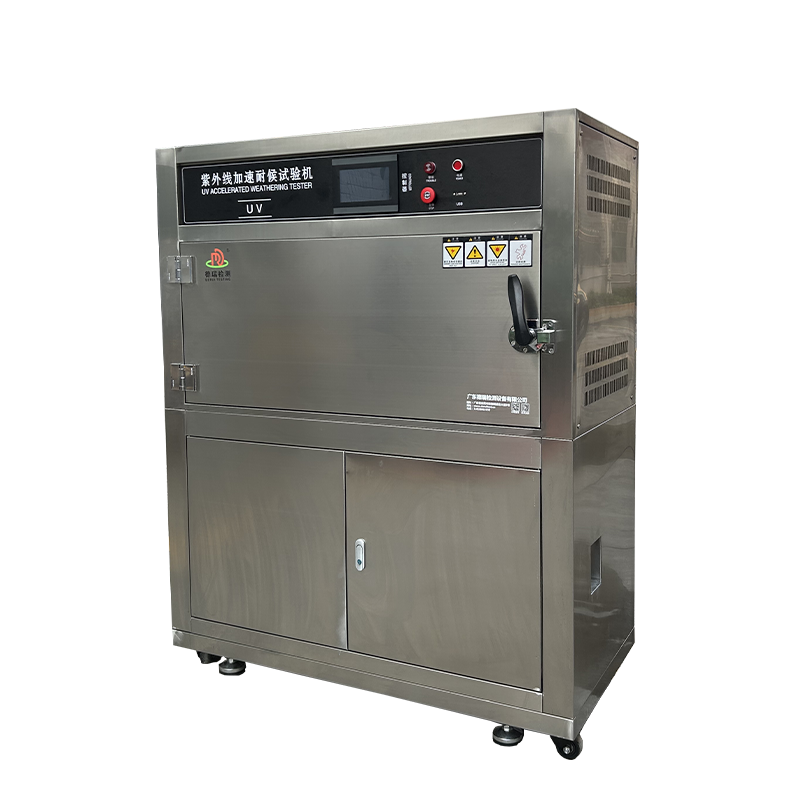
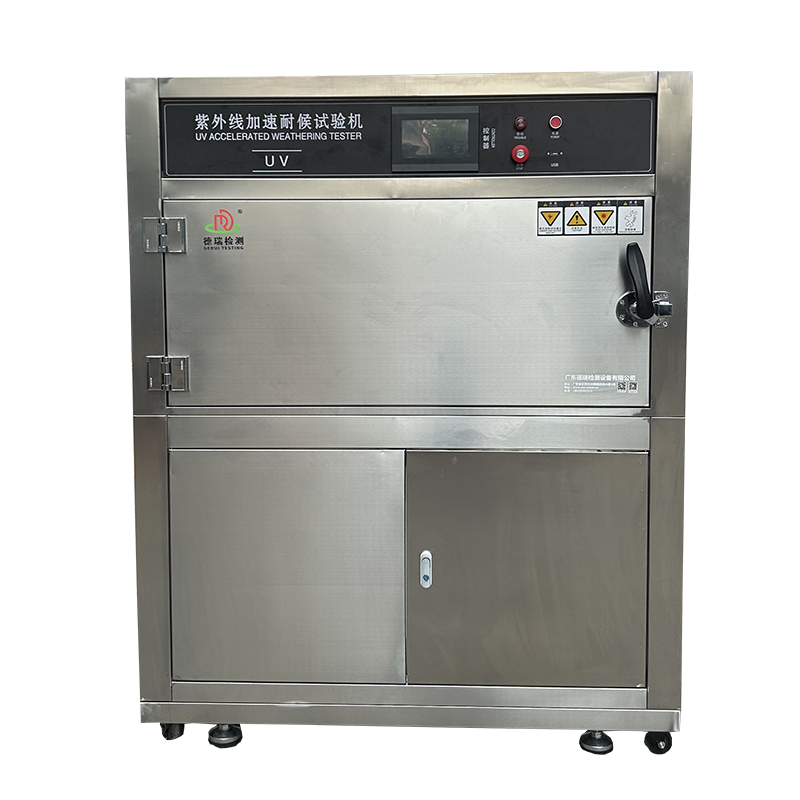
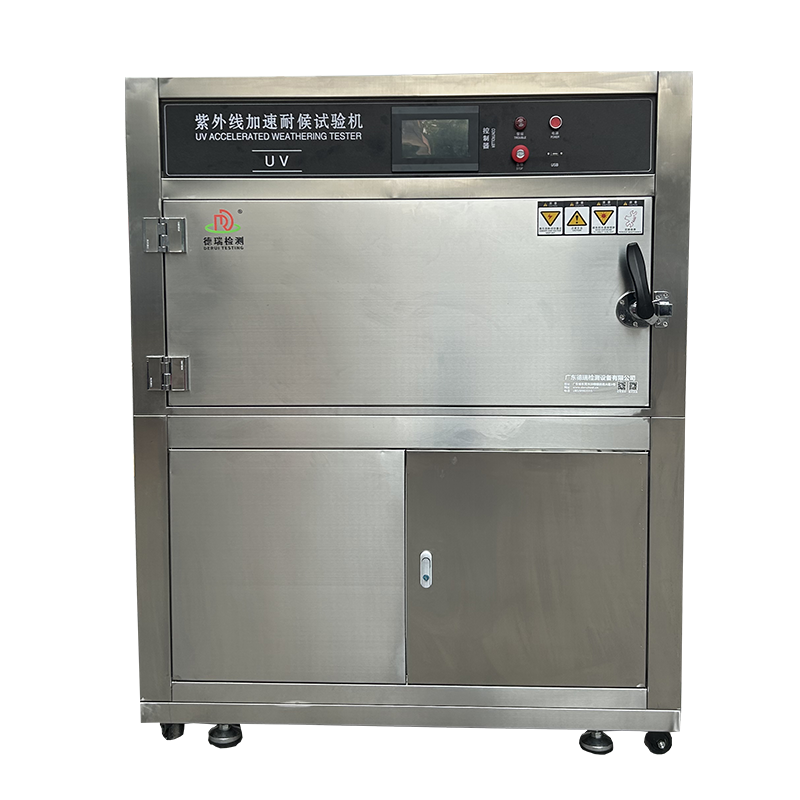
UV Test Chamber for Aerospace Composite Materials MIL-STD-810G Compliance Extreme Climate Simulation
41000.0 INR/Unit
Product Details:
- Resolution 0.1C, 0.1% RH, 0.01 W/m
- Operating Voltage 220V AC, 50/60Hz
- Accuracy 0.5C (temperature), 2% RH (humidity), 5% (UV intensity)
- Application MIL-STD-810G compliance, extreme climate simulation, aerospace composite material assessment
- Equipment Type UV Test Chamber for Aerospace Composite Materials
- Specimen Size Standard 75 x 150 mm panels
- Temperature -70C to +150C programmable
- Click to view more
X
UV Test Chamber for Aerospace Composite Materials MIL-STD-810G Compliance Extreme Climate Simulation Price And Quantity
- 1 Unit
- 41000.0 INR/Unit
- +5°C to +35°C ambient
- Corrosion-resistant stainless steel
- 1600 hours (typical)
- Over-temperature and over-humidity cut-off, interlock system
- Tempered glass viewing window with protective shield
- Mechanical refrigeration
- 480 liters
- UVA-340 fluorescent lamp, 8 pieces
- Powder coated mild steel
- Internal memory plus CSV export via USB
- Condensation, Water Spray, UV Exposure, Temperature, and Humidity Cycling
UV Test Chamber for Aerospace Composite Materials MIL-STD-810G Compliance Extreme Climate Simulation Product Specifications
- Simulates UV, temperature, and humidity extremes
- 220V AC, 50/60Hz, Single Phase
- 12 test holders
- <1 minute stabilization
- Variable, programmable up to 700 mm
- Up to 12 test panels
- 50/60 Hz
- Touchscreen LCD
- Up to 500 mm
- Standard 50 mm test port
- Programmable microprocessor controller with LCD display
- Floor Standing
- Not applicable (ambient air used)
- Fully Automatic
- MIL-STD-810G compliant, programmable UV, temperature and humidity cycles, safety shutdown, alarm, data logging
- UV: 0-1.2 W/m at 340 nm; Temp: -70C to +150C; Humidity: 30-98% RH
- Laboratory simulation of environmental conditions for aerospace composites
- 30% to 98% RH programmable
- USB, Ethernet, RS-232
- 220V AC, 50/60Hz
- 0.1C, 0.1% RH, 0.01 W/m
- 0.5C (temperature), 2% RH (humidity), 5% (UV intensity)
- Standard 75 x 150 mm panels
- -70C to +150C programmable
- UV Test Chamber for Aerospace Composite Materials
- Adjustable, up to 60 cycles/hour
- MIL-STD-810G compliance, extreme climate simulation, aerospace composite material assessment
- 1700 mm
- Approx. 350 kg
- +5°C to +35°C ambient
- Corrosion-resistant stainless steel
- 1600 hours (typical)
- Over-temperature and over-humidity cut-off, interlock system
- Tempered glass viewing window with protective shield
- Mechanical refrigeration
- 480 liters
- UVA-340 fluorescent lamp, 8 pieces
- Powder coated mild steel
- Internal memory plus CSV export via USB
- Condensation, Water Spray, UV Exposure, Temperature, and Humidity Cycling
UV Test Chamber for Aerospace Composite Materials MIL-STD-810G Compliance Extreme Climate Simulation Trade Information
- Cash in Advance (CID)
- 100 Unit Per Month
- 10 Days
- All India
Product Description
The UV Test Chamber for Aerospace Composite Materials is a precision-engineered system designed to evaluate the durability and performance of advanced composites under extreme ultraviolet (UV) radiation, temperature fluctuations, and humidity cycles. Compliant with global aerospace standards such as RTCA DO-160 and ASTM G154, this chamber ensures aerospace components withstand Indias harsh climatic conditions, from scorching heat to monsoon humidity, while meeting rigorous safety and regulatory requirements.
Technical Specifications
-
UV Light Source & Spectral Precision
-
UVA-340 Lamps: Simulate solar UV wavelengths (295365 nm) critical for testing polymer matrix composites (PMCs) and carbon fiber-reinforced plastics (CFRPs).
-
Adjustable Irradiance: 0.51.5 W/m @ 340 nm, calibrated to RTCA DO-160 Section 7 and ISO 4892-3.
-
-
Environmental Controls
-
Temperature Range:
-
Ambient: -50C to +150C (1C accuracy) for thermal cycling tests.
-
Specimen Surface: Up to +180C to replicate high-altitude or desert conditions.
-
-
Humidity Control: 10%98% RH (3% stability) with cyclic condensation for monsoon simulation.
-
-
Chamber Design
-
Customizable Interior: Accommodates large aerospace components (up to 2m x 1.5m), including wing panels, radomes, and fuselage sections.
-
Material: Aerospace-grade aluminum alloy interior, UV-resistant quartz windows, and thermal-insulated walls.
-
Safety Compliance: Expl osion-proof design for testing flammable composites, automatic shutdown, and leakage detection.
-
-
Automation & Data Integrity
-
Pre-Set Aerospace Profiles: RTCA DO-160, MIL-STD-810, and Airbus ABD0031 test cycles.
-
Real-Time Monitoring: Track UV dosage, thermal gradients, and humidity via touchscreen interface.
-
Audit-Ready Reports: Export data in formats compliant with DGCA (India), FAA, and EASA regulations.
-
Key Applications
-
Composite Panels:
-
Test UV-induced delamination, matrix cracking, and fiber degradation in CFRPs and GFRPs.
-
-
Cockpit Components:
-
Validate UV stability of transparent canopies, displays, and polymeric seals.
-
-
Exterior Coatings:
-
Assess paint adhesion, corrosion resistance, and thermal stability under solar UV exposure.
-
-
Satellite Components:
-
Simulate low-Earth orbit UV radiation for spacecraft composites.
-
Compliance & Certifications
-
RTCA DO-160 Section 7: Full compliance for sunlight radiation testing of airborne hardware.
-
ASTM E1175: Standard for determining solar spectral irradiance.
-
Certifications: CE, ISO 9001:2015, DGCA-recognized calibration protocols.
Advantages for Indias Aerospace Industry
-
Climate-Specific Testing:
-
Pre-programmed cycles replicate Indias extreme environments (e.g., Thar Desert heat, coastal humidity).
-
-
Localized Manufacturing:
-
Chambers assembled in Bengaluru and Hyderabad reduce costs by 25% vs. imported units.
-
-
Energy Efficiency:
-
Inverter-driven cooling systems lower power consumption by 30%, ideal for high-usage R&D labs.
-
-
Pan-India Support:
-
Technical service hubs in Mumbai, Delhi, and Chennai offer 24/7 maintenance, calibration, and operator training.
-
FAQs (UV Test Chamber for Aerospace Composite Materials)
Q1: How does this chamber align with RTCA DO-160 Section 7?
A: It replicates solar UV intensity (1,120 W/m) and thermal profiles specified for airborne equipment validation.
Q2: Can it test composites for UAVs (dro nes)?
A: Yescustomizable racks accommodate lightweight UAV components like propeller blades and sensor housings.
Q3: What is the lead time for delivery in India?
A: Standard units ship in 812 weeks; expedited options available for urgent defense projects.
Q4: Is training provided for DGCA compliance?
A: Yesfree onsite training covers test protocols, data interpretation, and regulatory reporting.
Q5: How to maintain spectral accuracy?
A: Automated calibration and quarterly lamp rotation ensure 2% irradiance consistency.
Standard Features:
| Item | Specification |
| Outside dimension | 1300W500D1460Hmm |
| Chamber material | SUS#304 stainless steel |
| Temperature range | RT70 |
| Temperature fluctuation | 2 |
| Temperature control | PID SSR control |
| Humidity range: | 95%RH |
| Controller | Programmable controller, LCD touch screen |
| Control mode | Balance temperature humidity control (BTHC) |
| Test cycle setting | Exposure, condensation and water spray test cycle is programmable |
| Lamp power | 40W/Piece |
| Distance from sample to lamp | 502mm |
| Centre distance between the lamp | 70mm |
| Irradiance | 0.45~1.0W/m2 (optional) |
| UV lamps | Imported Atlas UV-B: 280-315nm (8pcs, 1600h lifetime) |
| Standard Specimen Size | 75290mm (24pcs) or 75x150mm (48pcs), max. thickness 5mm |
| Testing time | 0999H, adjustable |
| Protection system | Overload short circuit protection |
| Over temperature protection | |
| Water lacking protection | |
| Earth leakage protection | |
| Auto shut off protection |
Unmatched Climate Simulation Precision
This chamber simulates environmental extremes from -70C to +150C and humidity from 30% to 98% RH, employing UV exposure with UVA-340 lamps for authentic aging studies. Ideal for aerospace composite materials, it accurately replicates real-world deterioration mechanisms as demanded by MIL-STD-810G.
Advanced Safety and User Convenience
Safety features like over-temperature/humidity cut-off, interlock systems, and a robust, corrosion-resistant build ensure secure and long-lasting operation. The tempered glass viewing window and intuitive touch LCD display offer direct monitoring and straightforward operation, while automated control enhances laboratory efficiency.
Comprehensive Data Management
Integrated data logging and export via USB in CSV format enable seamless test record keeping and analysis. With programmable cycling and internal memory, users can customize, repeat, and document complex test regimes, ensuring robust compliance and traceability for aerospace materials research.
FAQ's of UV Test Chamber for Aerospace Composite Materials MIL-STD-810G Compliance Extreme Climate Simulation:
Q: How does the UV test chamber simulate extreme climate conditions for aerospace composites?
A: The chamber utilizes programmable cycles combining UV exposure (with UVA-340 lamps), temperature variations from -70C to +150C, and controlled humidity from 30% to 98% RH to mirror real-world environmental stresses. This holistic simulation meets the rigorous requirements of MIL-STD-810G, making it ideal for evaluating aerospace composites under harsh conditions.Q: What types of test cycles and environmental conditions can be programmed in the chamber?
A: Users can program a range of test cycles, including UV exposure, condensation, water spray, and combined temperature and humidity cycling. This versatility allows comprehensive aging and durability assessments that reflect actual operational environments faced by aerospace materials.Q: When should laboratories use this chamber for compliance testing?
A: Laboratories should use this chamber during development, quality assurance, and qualification phases of aerospace materials, especially when adhering to MIL-STD-810G requirements. It is most effective in simulating extended environmental exposure prior to the deployment of composite materials.Q: Where is this equipment typically installed and operated?
A: Designed as a floor-standing unit, the UV test chamber is installed in controlled laboratory environments with an ambient temperature range of +5C to +35C. Its robust build and safety features make it suitable for aerospace research facilities and industrial test labs.Q: What is the process for conducting tests and exporting data?
A: Specimens are mounted on test holders inside the chamber, and test cycles are programmed through the LCD touchscreen. The chamber automatically runs the preset conditions, while internal memory stores results. Data can quickly be exported via USB in CSV format for analysis or archival.Q: How is user safety ensured during operation?
A: The chamber is equipped with over-temperature and over-humidity cut-off systems, an interlock mechanism, and a shielded, tempered glass window to protect users. The powder-coated exterior and stainless steel interior further enhance safety and durability during prolonged use.Q: What benefits does this test chamber offer for aerospace composite testing?
A: By providing precise control of environmental conditions and thorough test automation, this chamber ensures accurate, repeatable results. Its robust data management, multiple specimen capacity, and MIL-STD-810G compliance support more reliable assessments and expedite certification workflows for aerospace composites.Tell us about your requirement

Price:
Quantity
Select Unit
- 50
- 100
- 200
- 250
- 500
- 1000+
Additional detail
Mobile number
Email

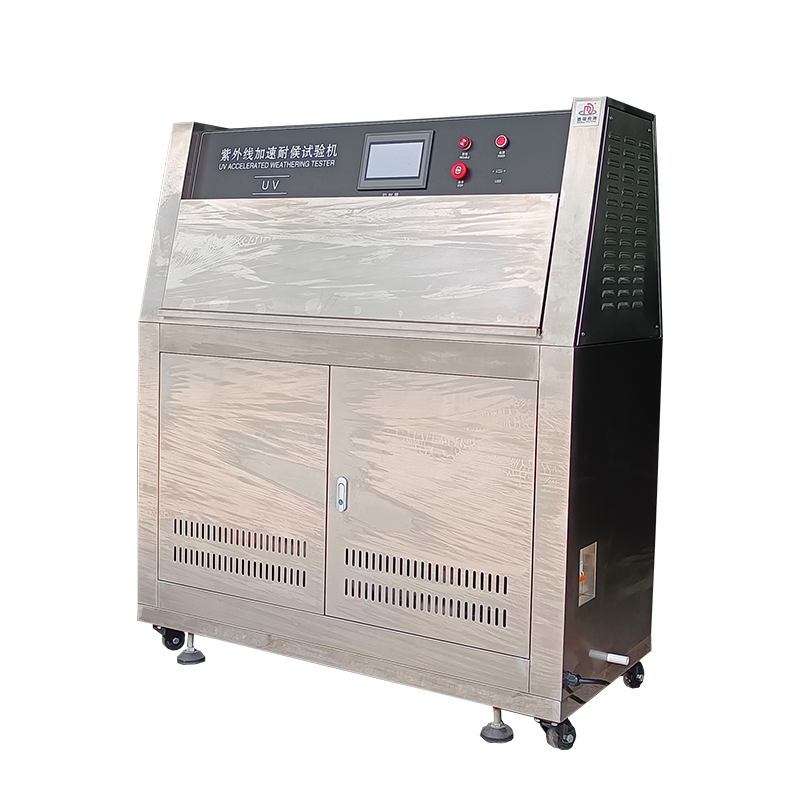
Other Products in 'Environment Test Chamber' category

Contact Details

- 1st Floor, No. 3, Shugang Avenue, Hongmei Town,Dongguan Guangdong, China
- Mr. Shirley (Manager)
- Mobile : +8615580327593
- Send Inquiry
-

Derui Testing Equipment Co., Ltd
 Send Inquiry
Derui Testing Equipment Co. Ltd
All Rights Reserved.(Terms of Use)
Developed and Managed by Infocom Network Private Limited.
Developed and Managed by Infocom Network Private Limited.
 English
 Spanish
 French
 German
 Italian
 Chinese (Simplified)
 Japanese
 Korean
 Arabic
 Portuguese