

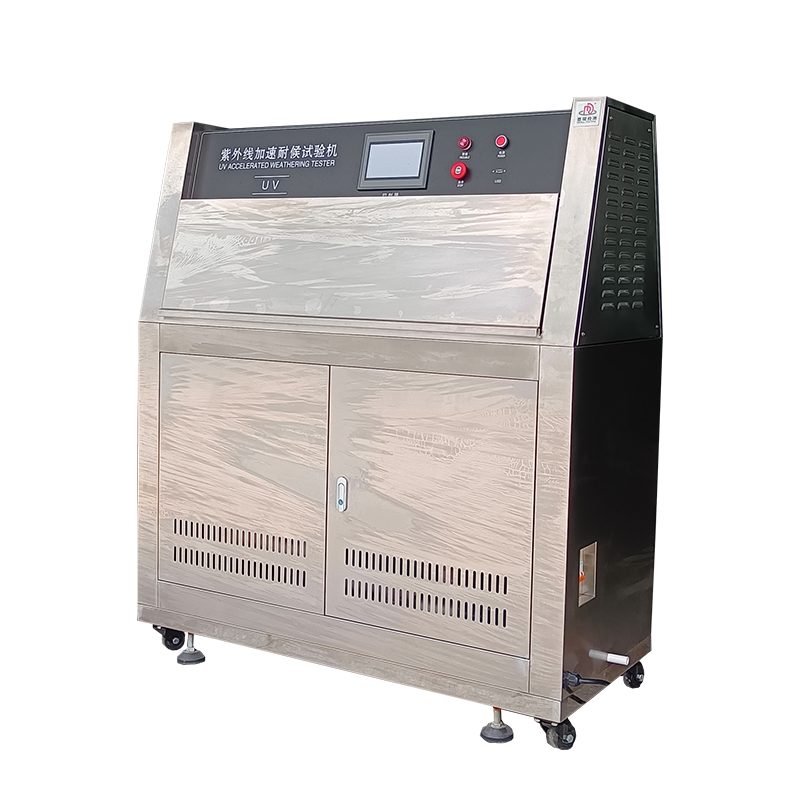
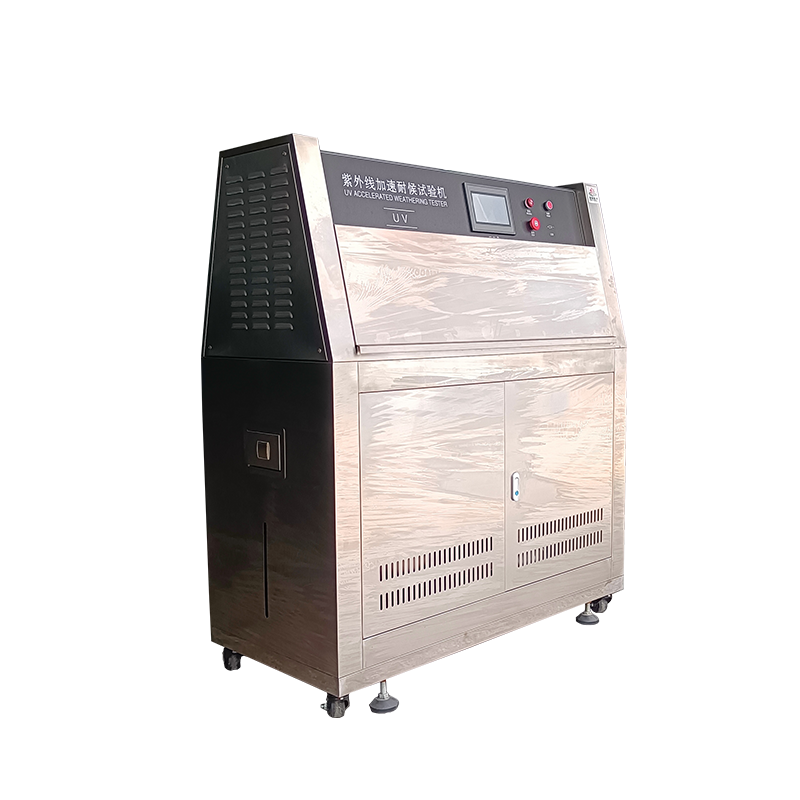
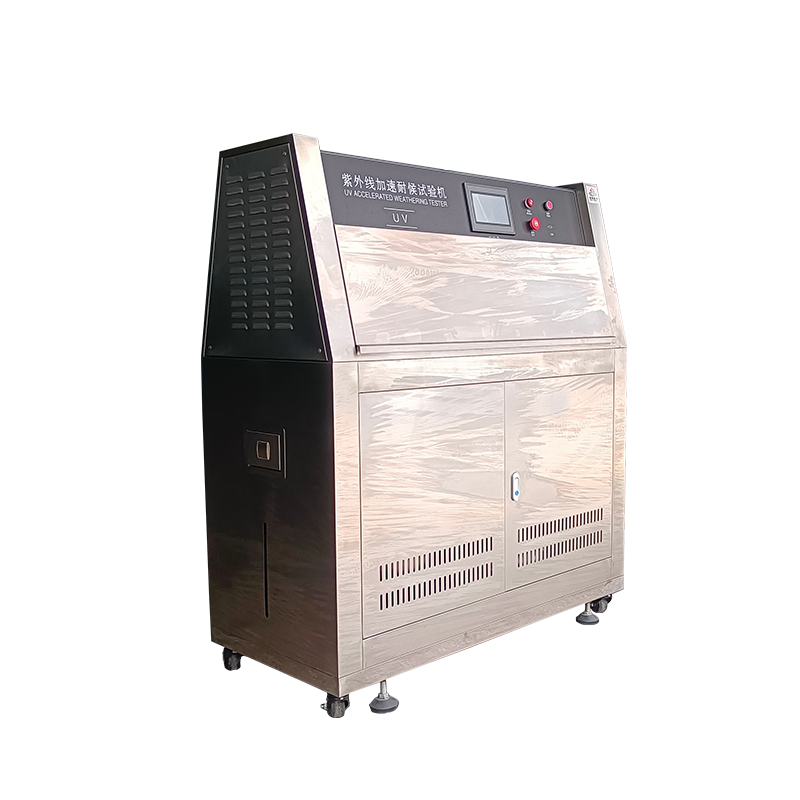
UV Test Machine for Organic Tattoo Ink Lightfastness in FDA-Compliant Pigments
398000.0 INR/Unit
Product Details:
- Number of Specimens Up to 12
- Automation Grade Semi-automatic
- Display Type Digital LCD display
- Humidity 5090% RH (adjustable)
- Port Size DN25
- Max Height 900 mm
- Application Lightfastness testing of FDA-compliant organic tattoo inks and pigments
- Click to view more
X
UV Test Machine for Organic Tattoo Ink Lightfastness in FDA-Compliant Pigments Price And Quantity
- 398000.0 INR/Unit
- 1 Unit
- Stainless steel, corrosion-resistant
- 540C, 85%RH
- 40 W each (total 2 lamps)
- UV-A and UV-B interchangeable
- 1500 hours
- Easy front and top access for lamp change and cleaning
- 09999 min
- Forced air circulation
- Door safety interlock, overcurrent protection
- Liquid inks, pigment films, coated foils
- 65 dB (A)
UV Test Machine for Organic Tattoo Ink Lightfastness in FDA-Compliant Pigments Product Specifications
- UV Test Machine for Organic Tattoo Ink Lightfastness
- <1 second
- 2050C (adjustable)
- 85 kg
- 75 mm 150 mm
- Lightfastness testing of FDA-compliant organic tattoo inks and pigments
- DN25
- 900 mm
- 5090% RH (adjustable)
- Color stability and endurance evaluation under simulated sunlight
- Digital LCD display
- Semi-automatic
- 0.510 cm/min (adjustable)
- Up to 12
- 300 mm
- 220 V
- 0100% light transmission
- 50 Hz
- 0.5%
- 0.01%
- Programmable test cycles, timed test intervals, automatic shut-off, over-temperature protection
- AC 220V/50Hz
- RS232
- 12 slots
- Digital programmable controller
- 400 mm
- Benchtop
- 0.6 MPa
- UV spectrum 280400 nm
- Stainless steel, corrosion-resistant
- 540C, 85%RH
- 40 W each (total 2 lamps)
- UV-A and UV-B interchangeable
- 1500 hours
- Easy front and top access for lamp change and cleaning
- 09999 min
- Forced air circulation
- Door safety interlock, overcurrent protection
- Liquid inks, pigment films, coated foils
- 65 dB (A)
UV Test Machine for Organic Tattoo Ink Lightfastness in FDA-Compliant Pigments Trade Information
- Cash in Advance (CID)
- 80 Unit Per Month
- 2 Days
- All India
Product Description
The UV Test Equipment for Tattoo Ink Lightfastness is a specialized laboratory system designed to evaluate the long-term color stability and UV resistance of tattoo inks under simulated sunlight exposure. Compliant with ISO 105-B02, ASTM D4303, and cosmetic safety standards, this equipment ensures tattoo pigments retain their vibrancy and safety over time, even under intense UV radiation. Tailored for tattoo ink manufacturers, studios, and regulatory bodies, it addresses critical quality control needs in Indias growing body art industry.
Technical Specifications
1.
UV Light Source & Spectral Control
UVA-340 Lamps: Simulate solar UV wavelengths (295365 nm) with adjustable irradiance (0.51.5 W/m @ 340 nm).
Spectral Filters: Quartz filters ensure precise UV-A dominance, minimizing infrared (IR) heat interference.
2.
Environmental Controls
Temperature Range: 25C to 60C (1C accuracy), mimicking skin surface temperatures under sunlight.
Humidity Control: 30%80% RH (3% stability) for realistic environmental simulation.
3.
Color Measurement & Analysis
Integrated Spectrophotometer: Measures color change (E) and calculates lightfastness using CIE Lab values.
Accuracy: 0.3 E for detecting subtle pigment fading.
4.
Chamber Design
Sample Capacity: Benchtop (30L) for ink swatches or small substrates (e.g., synthetic skin, paper).
Material: Non-reactive stainless steel interior, UV-transparent quartz panels.
Safety Features: Over-temperature shutdown, UV exposure timers, and emergency stop.
5.
Automation & Data Management
Programmable Test Cycles: Pre-set profiles for ISO 105-B02 compliance (e.g., 72h UV exposure + color analysis).
Touchscreen Interface: Real-time monitoring of UV intensity, temperature, and E values.
Data Export: Generate compliance reports (CSV/PDF) with spectral graphs and batch comparisons.
Key Applications
1.
Tattoo Ink Manufacturers:
Test UV-induced fading of organic and inorganic pigments (e.g., reds, yellows, blacks) to ensure longevity.
2.
Tattoo Studios:
Validate ink performance on synthetic skin or patch tests for client safety and satisfaction.
3.
Regulatory Compliance:
Assess pigment stability per EU Resolution ResAP(2008)1 and FDA cosmetic guidelines.
4.
Medical & Cosmetic Tattooing:
Evaluate UV resistance of permanent makeup inks (e.g., microblading pigments).
Compliance & Certifications
ISO 105-B02: TextilesTests for Color Fastness to Artificial Light.
ASTM D4303: Standard Test Methods for Lightfastness of Artists Materials.
Indian Standards: BIS-compatible safety protocols for cosmetic-grade pigments.
Certifications: CE, RoHS, ISO 9001:2015.
Advantages for Indias Tattoo Industry
1.
Precision & Safety:
Non-reactive materials ensure no cross-contamination of ink samples.
2.
Skin-Specific Simulation:
Test conditions replicate UV exposure on human skin (e.g., 35C surface temperature).
3.
Energy Efficiency:
Low-power UV arrays reduce operational costs by 20% versus traditional systems.
4.
Localized Support:
Service hubs in Mumbai, Delhi, and Bengaluru provide calibration and maintenance.
FAQs (UV Test Equipment for Tattoo Ink Lightfastness)
Q1: Why is UV lightfastness critical for tattoo inks?
A: UV exposure causes pigment degradation, leading to faded tattoos; testing ensures inks retain color for years.
Q2: How long does a typical lightfastness test take?
A: Accelerated tests range from 48200 hours, simulating 15 years of sunlight exposure.
Q3: Can the equipment test UV resistance on synthetic skin?
A: Yescustom fixtures accommodate synthetic skin patches or silicone substrates.
Q4: How to maintain measurement accuracy?
A: Calibrate the spectrophotometer monthly using NIST-traceable color standards.
Q5: Does it comply with Indian cosmetic regulations?
A: Yespre-set profiles align with BIS safety guidelines for tattoo pigments.
Comprehensive Lightfastness Assessment
This specialized UV test machine ensures rigorous evaluation of organic tattoo ink and pigment lightfastness under controlled conditions. By simulating long-term sunlight exposure, the device helps manufacturers verify the endurance and color stability of FDA-compliant pigments before market distribution. Interchangeable lamp types and precise environmental controls deliver reliable and repeatable results.
User-Centric Control & Safety
Equipped with a digital programmable controller, users can easily manage test cycles, set specific humidity and temperature levels, and monitor real-time data on a large LCD display. Safety is assured through door interlock and overcurrent protection, while the forced air cooling system maintains optimal operating conditions. Maintenance is simplified with front and top access for swift lamp replacement and cleaning.
FAQ's of UV Test Machine for Organic Tattoo Ink Lightfastness in FDA-Compliant Pigments:
Q: How does the UV test machine evaluate the lightfastness of organic tattoo inks?
A: The machine exposes test samples-including liquid inks, pigment films, and coated foils-to UV-A and UV-B light, simulating sunlight within the 280-400 nm spectrum. This process measures how colors resist fading, helping determine their long-term stability and compliance with FDA requirements.Q: What types of samples can be tested in this UV test chamber?
A: The instrument accommodates up to 12 specimens, including liquid organic tattoo inks, pigment films, and coated foils. Each sample should measure 75 mm by 150 mm and fit within the chamber's 12-slot capacity.Q: When is it necessary to use a programmable test cycle in the machine?
A: Programmable test cycles are crucial for simulating varied exposure conditions over extended periods, allowing users to replicate day-night cycles, intermittent sun exposure, or stress scenarios tailored to specific product testing protocols.Q: Where should this UV lightfastness tester be installed for optimal results?
A: For best performance, place the benchtop unit in a controlled environment that adheres to ambient conditions of 5-40C and below 85% relative humidity. Proper installation ensures consistent results and safe operation.Q: What is the process for sample placement and test initiation?
A: Simply load your prepared samples into the specimen slots, close the corrosion-resistant stainless steel chamber door, select your desired program settings on the digital controller, and start the test. Automatic shutdown and safety interlocks protect users during operation.Q: How does this equipment benefit manufacturers and researchers?
A: Using this UV test machine provides invaluable data on color durability and resistance to sunlight, ensuring product quality and regulatory compliance. It simplifies quality assurance by offering rapid, accurate, and programmable testing, essential for safe, reliable tattoo pigment development.Tell us about your requirement

Price:
Quantity
Select Unit
- 50
- 100
- 200
- 250
- 500
- 1000+
Additional detail
Mobile number
Email

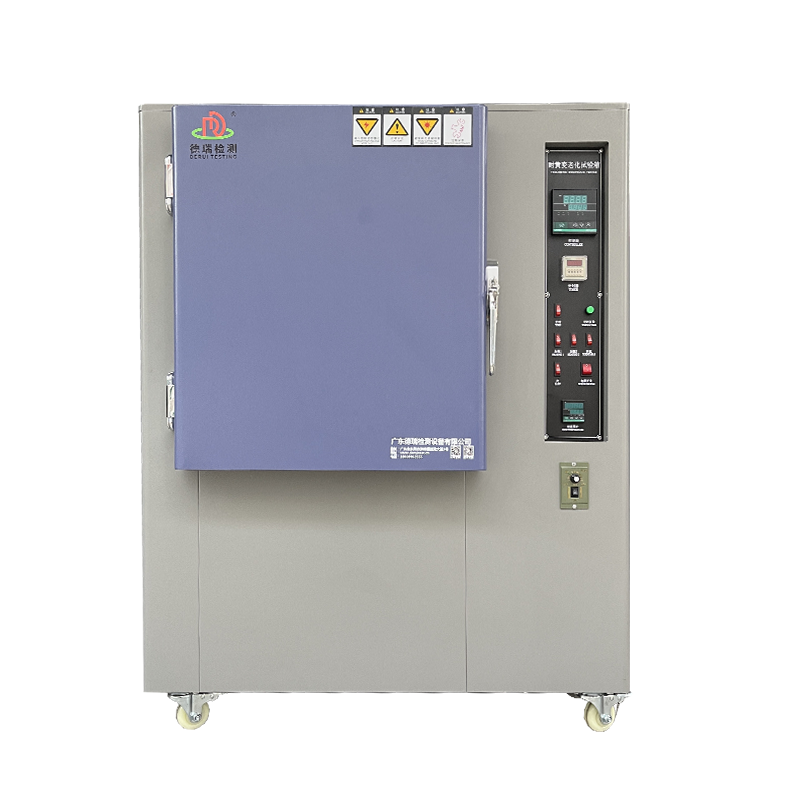
Other Products in 'Environment Test Chamber' category

Contact Details

- 1st Floor, No. 3, Shugang Avenue, Hongmei Town,Dongguan Guangdong, China
- Mr. Shirley (Manager)
- Mobile : +8615580327593
- Send Inquiry
-

Derui Testing Equipment Co., Ltd
 Send Inquiry
Derui Testing Equipment Co. Ltd
All Rights Reserved.(Terms of Use)
Developed and Managed by Infocom Network Private Limited.
Developed and Managed by Infocom Network Private Limited.
 English
 Spanish
 French
 German
 Italian
 Chinese (Simplified)
 Japanese
 Korean
 Arabic
 Portuguese